✉ rankandrent2+plumber-columbus@gmail.com Mon–Fri: 7 AM–10 PM · Sat: 8 AM–10 PM · Sun: 7 AM–9 PM
Plumbing services

Sump Pump Installation in Columbus, OH

In central Ohio, a sump pump is not an accessory — it is the device that decides whether a spring storm is weather or a flooded basement. Columbus Plumbing Help connects you with a local plumber who installs and replaces sump pumps properly: the right capacity for your pit and water table, a check valve that keeps discharge from running back, and a backup plan for the night the power goes out mid-storm.

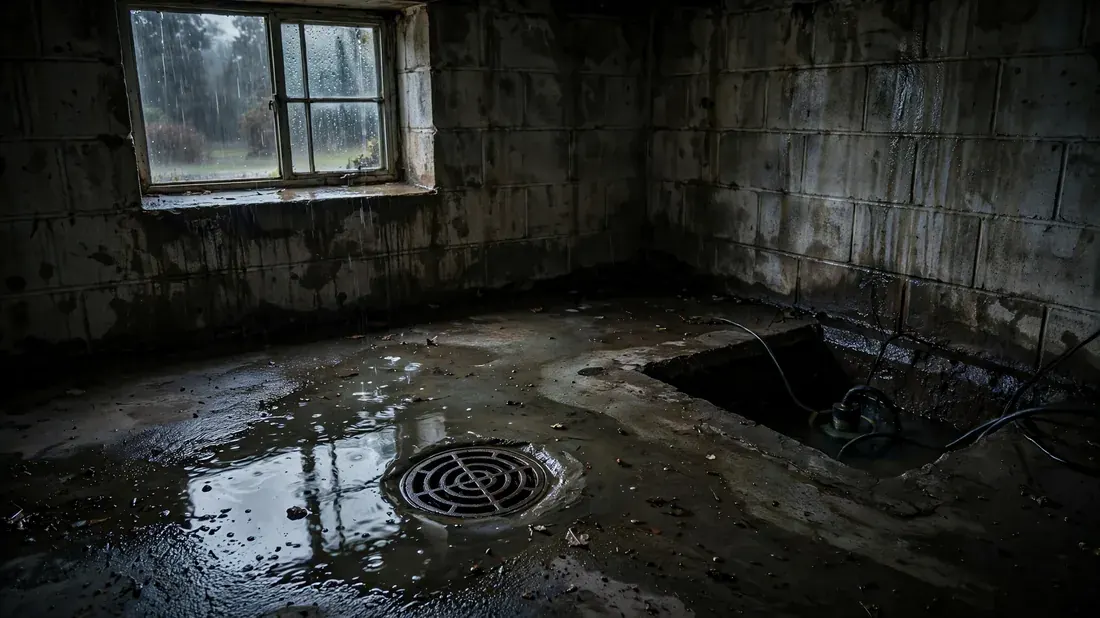
Basement floor with water pooling near the drain and sump corner during heavy rain
Understanding

Understanding Sump Pump Installation in Columbus, OH

A sump system starts with the pit: groundwater collects in a basin set at the lowest point of the foundation drainage, and the pump lifts it out through a discharge line to a safe point away from the house. Everything about the installation serves that simple cycle — float switch triggering reliably, check valve preventing the discharged water from falling straight back into the pit, discharge routed far enough out that it does not recycle against the foundation.

Columbus-area conditions set the demands. Much of the region's housing sits on clay-heavy soils that hold water against foundations, and the spring and summer storm pattern can push a pit from idle to cycling every minute. Homes in the Scioto and Olentangy lowlands, and older neighborhoods with combined drainage habits, ask more of their pumps than a hilltop house ever will. Capacity is matched to how fast your pit actually fills, not a one-size guess.

The backup question matters as much as the pump. The storms that fill pits fastest are the ones that knock out power, and a primary pump without power is a bucket with a cord. Battery backup systems — and water-powered backups where city pressure suits them — exist for exactly that overlap. An installation conversation that skips the outage scenario is only half a conversation.

  • A pump that runs constantly or not at all
  • Basement water after storms despite having a pit
  • A pump older than memory with no backup
  • Finishing a basement and protecting the investment
  • Grinding, humming or short-cycling pump noises
The honest scope

What Decides the Scope of a Sump Pump Job

A straightforward replacement — sound pit, sound discharge, like-for-like pump — is a short job. Scope grows when the pit itself needs work (too small, no proper basin, a crock that lets the float foul), when the discharge route must be rebuilt to exit somewhere safe, or when a backup system and alarm are added. Homes without any pit that need a system from scratch start with where the water collects and how it can be gathered.

The assessment sorts your home into one of those versions, and you confirm the scope before installation. The one thing never left vague is the outage plan: what carries your pit when the power is out is stated in plain terms.

What's included

What Our Sump Pump Installation Service Includes

Pit and inflow assessment

The existing pit, its inflow rate in wet weather and the discharge route are assessed so capacity is chosen for your foundation's real behavior, not a shelf default.

Primary pump installation

Submersible or pedestal, matched to the pit — set level, float travel verified clear of the pit walls and inlet, so the switch cycles cleanly for years.

Check valve and discharge build

A quality check valve fitted at the right height, and discharge piping routed to a safe exit point that sheds water away from the foundation.

Battery backup systems

A secondary pump on battery power, sized to carry the pit through an outage, with a charger and alarm so a dead battery never surprises you mid-storm.

High-water alarms

An audible alarm that sounds when water rises past the primary pump's ability — the early warning that turns a flood into a phone call.

Testing under real conditions

The pit is filled and the system watched through full cycles — primary, check valve hold, backup switchover — before the job is done.

The process

Our Sump Pump Installation Process

Say whether you have a pit, what the current pump does (or fails to do), and how the basement fares in a hard rain. Finished or unfinished matters to the plan.

Pit, inflow, discharge route and backup needs are assessed, and the pump and scope are confirmed with you before installation.

The failed or aging pump is removed; the new pump, check valve and any backup are installed and plumbed into the discharge.

Water is run into the pit and the system is watched through complete cycles, including a simulated outage for backup systems.

You learn the quarterly float test, what the alarm sounds like, and what to check after any big storm.

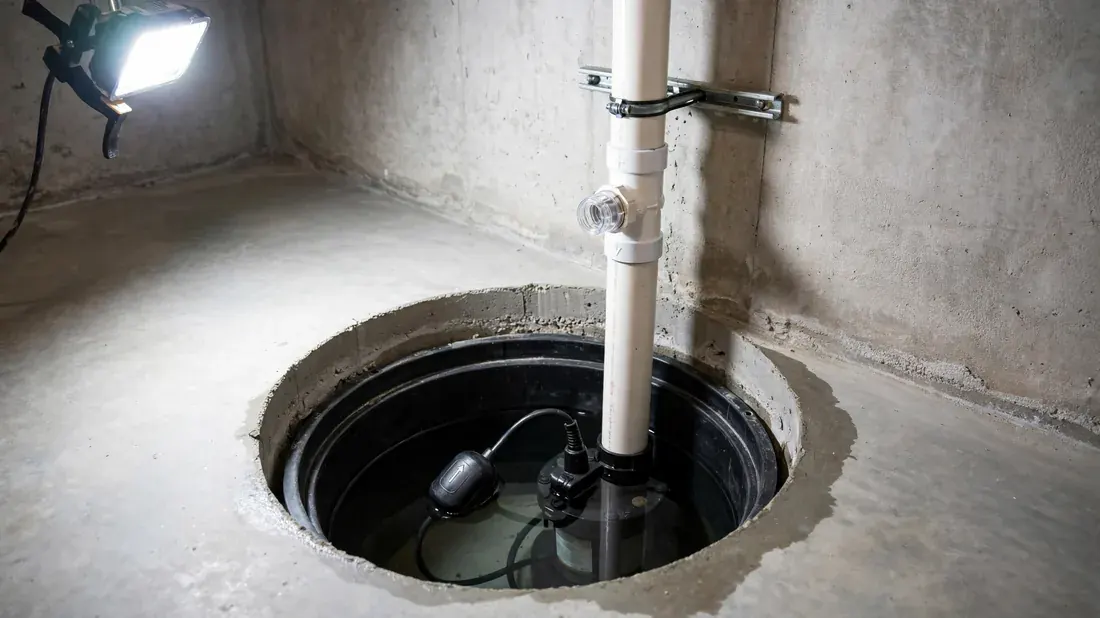
New sump pump installed in a basement sump pit with a discharge pipe and check valve

Confirmed before work begins

Each step is talked through on the call and confirmed on site by the matched plumber.

Tools & methods

Tools and Methods for Sump Pump Installation

Capacity matched to inflow

Pump sizing follows gallons-per-hour at your discharge height (head), measured against how fast your pit fills in real rain — the arithmetic of staying ahead of the water.

Reliable float switches

The switch is the part that decides everything at 3 AM. Vertical and tethered switches are chosen and set so nothing in the pit can foul their travel.

Check valves that hold

A spring-assisted check valve stops the column of discharged water from slamming back — the bang and the re-cycling that wear pumps out early.

Backup power systems

Deep-cycle battery backups with smart chargers, sized for realistic outage durations in a Columbus storm pattern.

Before and after

Before and After — What Changes

Before

The pump that quit quietly

An elderly pump that stopped cycling sometime in the winter, discovered when spring rain put an inch of water across the basement.

After

New primary pump with verified float travel and a high-water alarm, tested under a filled pit before the next storm.

Before

The storm-night flood

Power out at midnight in a thunderstorm, the pit filling on groundwater alone while the family bailed with buckets.

After

Battery backup installed and sized for outage runtime, switching over automatically and carrying the pit until power returned.

Before

The pump that never rests

A unit short-cycling every twenty seconds, its discharge pouring back through a failed check valve.

After

Check valve replaced at the correct position, discharge holding, and the pump cycling on honest intervals.

Problems we solve

Problems Solved by Our Sump Pump Installation Services

The situations this service exists for — described the way homeowners describe them on the call.

01

Basements that flood in storms

Usually a capacity, check-valve or outage story rather than bad luck. Installation fixes the system, not just the pump.

02

Finished basements at risk

Carpet, drywall and everything stored below grade sit downstream of one small machine. A tested primary-plus-backup setup is the proportionate answer.

03

Pumps that die young

Short-cycling, fouled floats and back-slamming check valves kill pumps in a few seasons. Correct installation is mostly about ending those conditions.

Good questions

Sump Pump Installation — Frequently Asked Questions

A typical primary pump gives somewhere in the range of seven to ten years of service, heavily depending on how often it cycles — a pump on a wet lot works a much harder life than one on a hill. Because failure is usually discovered during the storm that needed it, pumps approaching that age on heavy-duty lots are worth replacing on your schedule, not the weather's.

If your basement is finished, stores anything you value, or your lot fills the pit fast in storms, the honest answer is usually yes — the heaviest rain and the likeliest outages arrive together. An unfinished basement on a dry lot is a different calculation, and the assessment will say so plainly either way.

Short-cycling usually means discharged water is returning to the pit: a failed or missing check valve lets the whole discharge column fall back, or the discharge exits too close to the foundation and recycles. Sometimes the float is set so the pit barely fills between cycles. All three are installation faults with installation fixes.

It is decided by two numbers: how fast water enters your pit in heavy weather, and the height the pump must lift it (head). Undersized pumps lose ground in exactly the storms that matter; oversized ones short-cycle. The assessment measures your situation rather than guessing from the old unit's label.

Pour water into the pit slowly until the float lifts and the pump kicks on; watch it draw the water down and shut off cleanly, and confirm the discharge is flowing outside. Do it a few times a year and before forecast storms. If the pump hums without moving water, runs without stopping, or does not start at all, that is the call to make — before the rain does the testing for you.

Keep exploring

Related Services

Emergency Plumber

Burst pipe, sewage backup or water pouring where it should not be? This is the urgent-help service for active plumbing emergencies.

Drain Cleaning

Slow sinks, gurgling tubs and drains that keep clogging. Cabling and cleaning for kitchen, bath and main lines across Columbus.

Water Heater Repair

No hot water, rusty water, rumbling tanks and leaks at the base. Diagnosis and repair for tank water heaters across Columbus.

Water Heater Installation

Old tank at the end of its life? Sizing, placement and installation of replacement tank water heaters, with the old unit removed.

Tankless Water Heater

Hot water on demand, no storage tank. Tankless installation and conversion guidance for Columbus homes that fit the pattern.

Leak Detection

Water bill up, damp spots, the sound of running water with everything off. Non-invasive leak detection that finds the source before opening walls.

Sewer Line Repair

Backups, root-filled laterals and broken sewer lines. Camera diagnosis first, then repair or replacement scoped to the actual damage.

Gas Line Repair

Gas smells, corroded lines and lines that need moving or extending for an appliance. Careful, pressure-tested gas line work — safety first, always.

Hydro Jetting

High-pressure water scouring for grease-choked kitchen mains and lines a cable cannot truly clean. Jetting restores the pipe's full bore.

Toilet Repair

Running toilets, weak flushes, leaks at the base and phantom refills. Tank, valve, seal and flange repairs — and honest replacement advice.

One call starts it

Need Sump Pump Installation in Central Ohio?

One call describes the job once and matches it with an independent local plumber who serves your city.

📞 Call (610) 992-4884

Mon–Fri 7 AM–10 PM · Sat 8 AM–10 PM · Sun 7 AM–9 PM ET

Get in touch

Call Before the Problem Gets Worse

One way in: the phone. Call, describe the problem, and the matching starts. That is the whole system — by design.

One Call Starts It

Describe the problem once — where it is, what it is doing, when it started — and the intake matches you with an independent local plumber who serves your city.

📞 Call (610) 992-4884 or write to us rankandrent2+plumber-columbus@gmail.com
📞Call now(610) 992-4884